Explore how resilient food systems can tackle rising food insecurity, with insights on policy, innovation, and sustainable agriculture.
In 2025, approximately 30.6 million to 33 million Nigerians face acute food insecurity, compared to the projected 26.5 million Nigerians in 2024 (FAO, 2023). This alarming statistic underscores a reality that goes beyond hunger; it reflects the deep link between food systems and health outcomes in Africa.
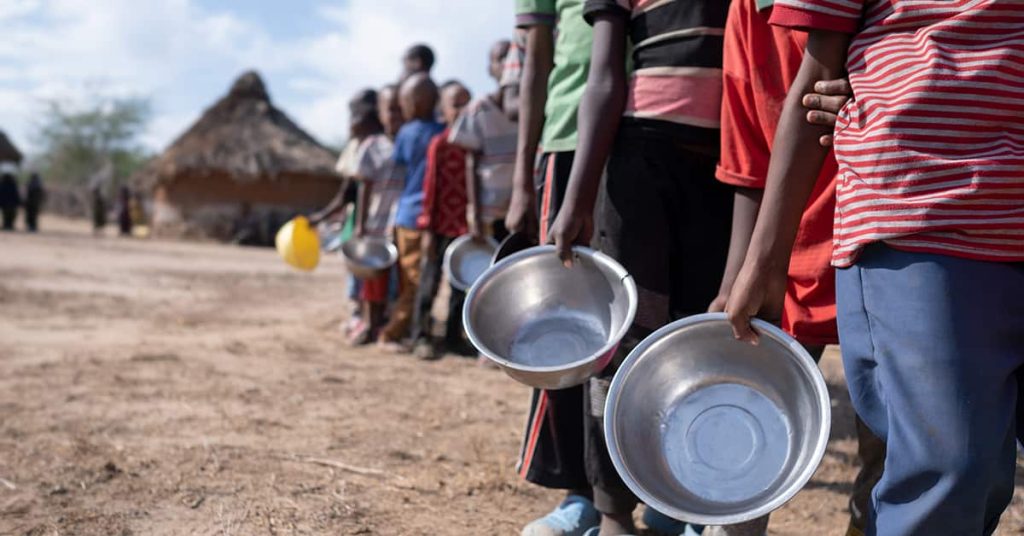
The foods people grow, trade, and consume are not only cultural expressions but also determinants of public health, economic resilience, and food systems. However, the Federal Ministry of Budget and Economic Planning claimed that “the food systems in Nigeria mostly provide foods that are expensive, unsafe, and unhealthy.
The Food and Health Systems in Africa
In Nigeria and across the continent, diet-related diseases are rising at an alarming rate. Malnutrition now manifests as a “triple burden”: undernutrition, micronutrient deficiencies, and overweight/obesity. According to the World Health Organization, nearly one in three children under five in sub-Saharan Africa is stunted, while adult obesity rates are steadily climbing in urban regions compared to rural areas. These outcomes are not random; they stem from how food systems are designed, financed, and governed.
How Climate Change, Urbanization, and Imports Reshape Food Production
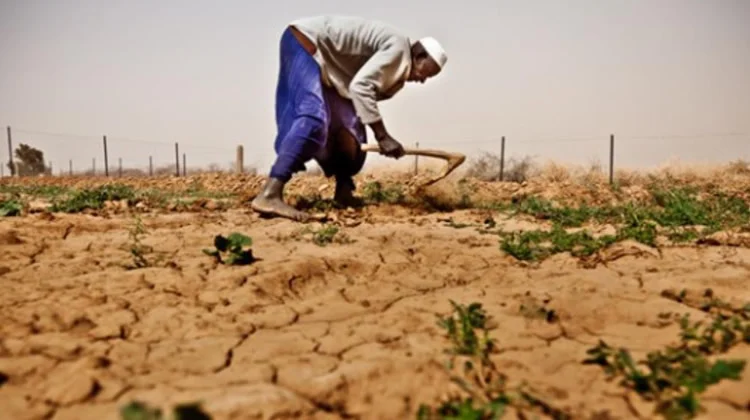
• Climate Change: Erratic rainfall, prolonged droughts, and flooding are reducing yields of traditional staples such as millet, sorghum, and legumes. As climate shocks intensify, smallholder farmers, the backbone of African agriculture struggle to sustain production, pushing households toward cheaper, less nutritious foods.

• Urbanization: Africa’s cities are growing at record pace. While urbanization creates opportunities for market access, it also fuels dietary shifts toward highly processed, imported foods. Street foods and fast-food chains increasingly dominate diets, contributing to rising rates of hypertension, diabetes, and cardiovascular diseases.
• Food Imports: Heavy reliance on wheat, rice, and vegetable oil imports undermines dietary diversity and exposes African economies to global price shocks. In Nigeria, the 2022 surge in wheat prices, driven by the Russia-Ukraine war, demonstrated how dependent food systems can translate into malnutrition and hunger when imports become unaffordable. This caused food price inflation, especially for wheat flour and its derivatives like bread, thereby threatening food security for many Nigerian households.
FAO Reports and AU Policies
The FAO’s 2022 State of Food Security and Nutrition in the World highlights that Africa is off-track to meet the SDG 2 target of zero hunger by 2030. The African Union’s Comprehensive Africa Agriculture Development Programme (CAADP) emphasizes food systems transformation as a pathway to improve nutrition and health. Yet implementation gaps persist, with limited investment in local value chains, weak infrastructure, and inadequate nutrition-sensitive policies.

Recommendations for Building Resilient, Equitable Food Systems in Africa
1. Invest in Climate-Smart Agriculture: Scale up irrigation, drought-resistant crops, and agroecological practices to protect nutrition against climate shocks.
2. Strengthen Local Value Chains: Support smallholder farmers, cooperatives, and local food processors to reduce reliance on imports.
3. Integrate Nutrition into Policy: Ensure that agricultural and trade policies are nutrition-sensitive, prioritizing diverse and culturally appropriate diets.
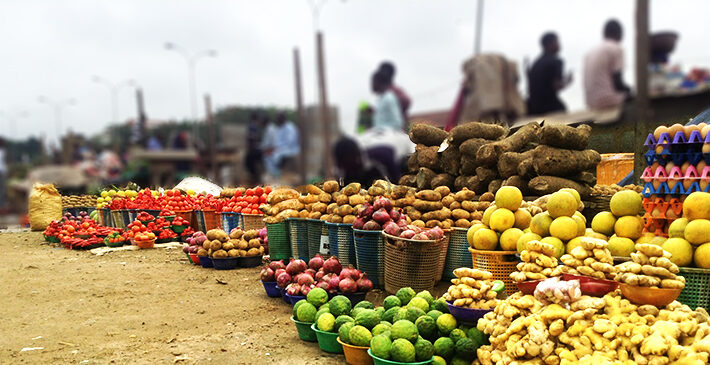
4. Leverage Urban Food Markets: Promote healthier urban food environments through incentives for fresh food vendors and restrictions on ultra-processed food marketing.
In conclusion, food systems are not neutral, it is our “farm to fork”, they are decisive in shaping Africa’s health, productivity, and future. By aligning agriculture, trade, climate action, and nutrition, Africa can build food systems that nourish rather than impoverish. The question is not whether change is needed, but how fast stakeholders can act to ensure that the next generation inherits a food system that sustains both people and planet.